

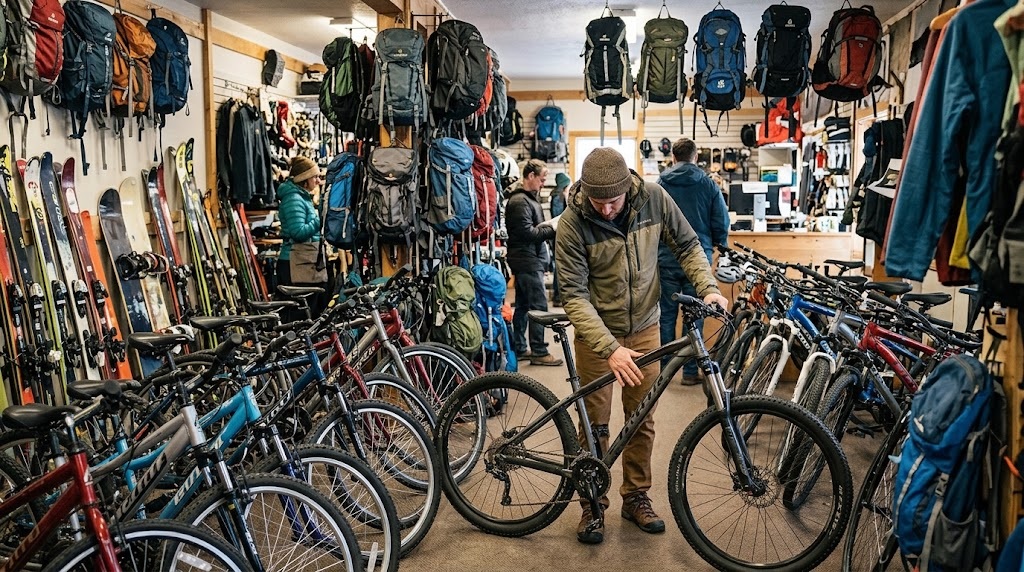
Most people show up to a sporting goods resale near me store completely unprepared – no cash, nothing to test gear with, and no idea what to check. That’s how you end up overpaying for something that doesn’t work.
A 2022 consumer report found that 41% of secondhand buyers regretted a purchase because they couldn’t test the item in store. You don’t have to be that person.
What Should You Actually Bring?
Bring cash, your phone, a tape measure, and any gear you plan to trade or compare. That’s the short answer.
Most resale stores prefer cash or card, but having cash gives you a small negotiating edge – sellers and staff are often more flexible when payment is immediate and simple. Your phone matters too.
You’ll want to look up retail prices on the spot so you know if you’re actually getting a deal. Apps like Google Shopping or even a quick search can show you what the same item sells for new, which puts you in a much stronger position when talking price.
A tape measure sounds odd, but if you’re buying a bike, a piece of fitness equipment, or anything with size specs, you need accurate numbers. Eyeballing it never works.
How Do You Know If Gear Is Worth Buying?
Test it before you pay. Most resale stores allow hands-on testing – and if one doesn’t, that’s already a red flag.
For athletic shoes, walk or jog a few steps. Look at the midsole compression – if it’s completely flat, the cushioning is gone, no matter how clean the outside looks. Research from biomechanics labs shows that running shoe midsoles lose up to 40% of their cushioning after 300 to 500 miles of use. You can’t see that from across a shelf.
For rackets, bats, or clubs, grip the handle and check for cracks near the neck or shaft. Even a hairline crack under stress can cause a break mid-use. For weights and barbells, check for rust on the knurling – surface rust is fine, but deep pitting weakens the metal over time.
Fitness machines like treadmills or rowing machines should always be turned on and run for at least two minutes. Listen for grinding, uneven belt tracking, or resistance that jumps instead of moving smoothly.
Sporting Goods Resale Near Me: How Do You Negotiate the Price?
Start by knowing the retail price, then aim for 40 to 60% below it as your target. That’s the realistic range for used sporting goods in good condition.
Don’t open with your lowest number. Point out specific wear – a scuff on a helmet, a frayed grip, a missing part – and ask if they can do better on price. Most resale stores have some flexibility, especially on items that have been sitting a while. Staff can usually tell you how long something has been on the floor, and items older than 30 days are often negotiable.
Bundling helps too. If you’re buying three or four items, ask for a discount on the total. A 10 to 15% discount on a bundle is common and easy to justify from the store’s side since they’re moving multiple items at once.
One thing to keep in mind: stores that do appraisals on the spot for trade-ins will give you store credit, not cash. Store credit is fine if you’re planning to buy anyway, but know the difference before you walk in.
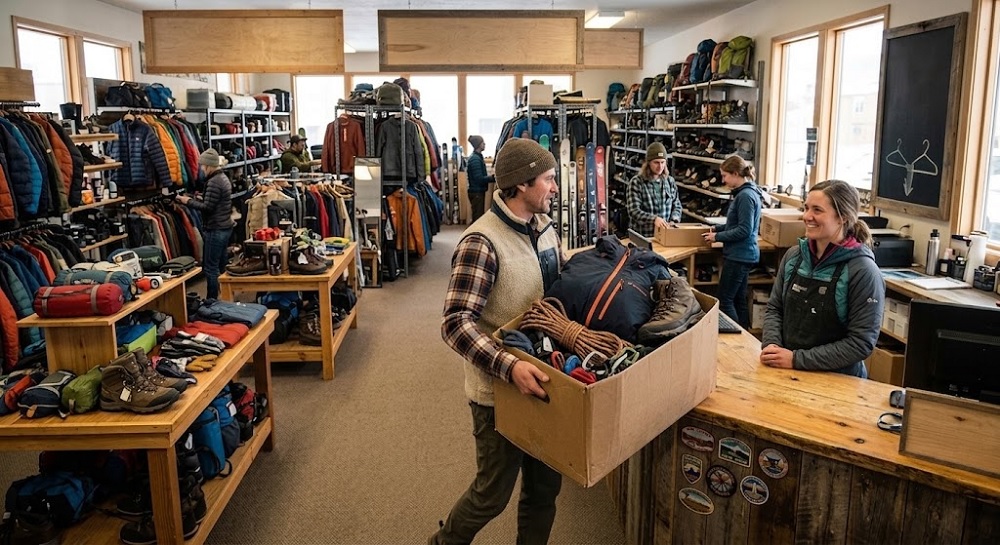
What Should You Always Try On or Test First?
Footwear first, always. Fit problems with shoes are the number one reason for returns at resale stores – and most resale stores don’t accept returns.
After shoes, try on any protective gear: helmets, pads, gloves. These need to fit correctly to actually protect you. A helmet that shifts even slightly during movement isn’t safe, regardless of price.
For equipment like skis, skates, or bikes, ask if the store has a fitting process or a staff member who can check sizing for you. Many do, and it takes five minutes. That five minutes can save you from buying something that injures you or just sits unused at home.