

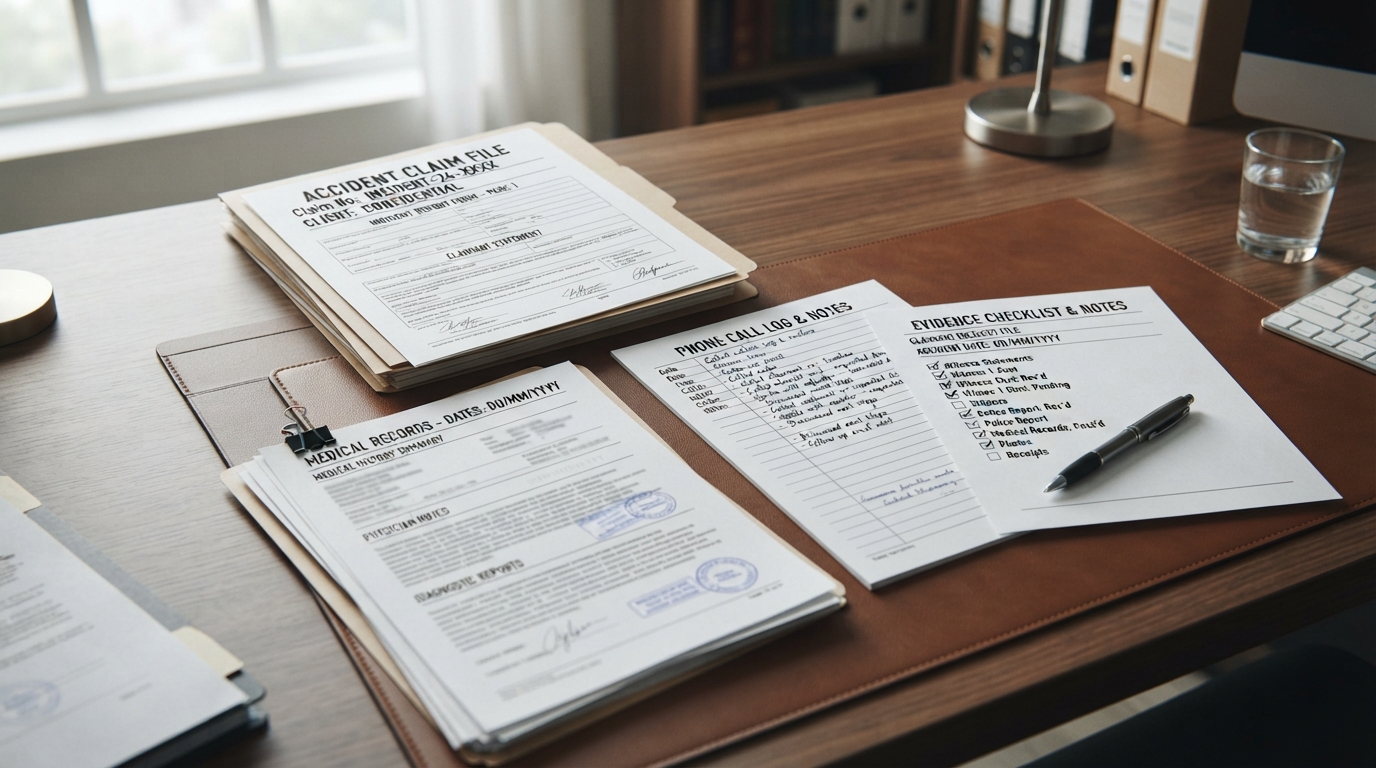
After a New York accident, an insurance adjuster may ask for a recorded statement about what happened, what injuries were reported, who was involved, and what treatment has started. A recorded statement can affect how the claim is evaluated, especially when fault, injuries, timelines, or insurance coverage are disputed. People reviewing insurance questions after an accident may use a personal injury lawyer Long Island resource to understand how statements, evidence, damages, and deadlines are generally reviewed.
Quick Answer
A recorded statement after a New York accident should be handled carefully because the answers may be compared with medical records, accident reports, photos, witness statements, later testimony, and insurance forms. Before giving a statement, it is important to understand who is asking, which insurer they represent, whether the statement is required, what claim it relates to, whether it will be recorded, and whether injuries or fault are still unclear.
Key Takeaways
- A recorded statement can become part of the claim file and may be used to evaluate fault, injury causation, treatment timing, and damages.
- New York no-fault motor vehicle claims include early paperwork rules, including written notice generally no more than 30 days after the accident unless a clear and reasonable justification exists for late filing.
- New York comparative negligence rules may reduce damages based on the claimant’s share of fault, making statement accuracy important when responsibility is disputed.
- New York Insurance Law § 2601 addresses unfair claim settlement practices by insurers when certain conduct occurs without just cause and with enough frequency to indicate a general business practice.
- Many negligence-based personal injury claims in New York have a three-year limitations period, but wrongful death, public entity, and other claim types may involve different deadlines.
- Public corporation claims may require a notice of claim within 90 days when notice is required under New York General Municipal Law § 50-e.
What Is a Recorded Statement?
A recorded statement is an interview taken by an insurance adjuster, investigator, or claims representative. The person giving the statement may be asked about the accident, injuries, medical treatment, prior conditions, work impact, witnesses, property damage, and other details.
A recorded statement may cover:
- Date, time, and location of the accident
- How the accident happened
- What each person was doing before the accident
- Weather, road, property, or visibility conditions
- Injury symptoms
- Medical treatment
- Prior injuries or medical history
- Work missed after the accident
- Witness names
- Photos or video evidence
- Insurance coverage
- Vehicle, property, or vessel damage
The concern is not only whether the statement is truthful. The concern is whether it is complete, accurate, and given before the injured person fully understands the facts, injuries, records, and claim issues.
Why Insurance Companies Ask for Recorded Statements
Insurance companies may ask for statements to gather early facts, confirm coverage, evaluate fault, investigate injuries, or decide whether additional documents are needed. In some cases, the request may be routine. In other cases, it may be part of a dispute over responsibility or damages.
An insurer may use a recorded statement to review:
- Whether coverage applies
- Whether the accident facts are consistent
- Whether fault is disputed
- Whether injuries were reported right away
- Whether medical treatment matches the accident description
- Whether there were prior injuries
- Whether wage loss is supported
- Whether the claimant gave different versions of events
- Whether another party may be responsible
The answers may later be compared with police reports, incident reports, medical records, witness statements, photographs, repair records, and testimony.
The Adjuster’s Role Matters
Not every insurance call is the same. The caller may represent the injured person’s own insurance company, the at-fault party’s insurer, a commercial carrier, a property insurer, a rental company insurer, a rideshare insurer, a boating insurer, or another party.
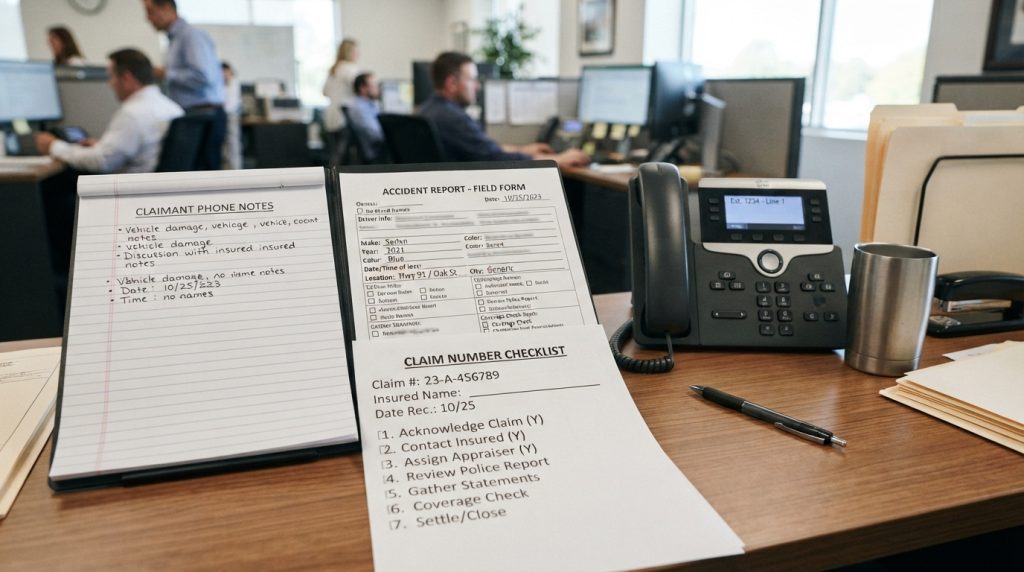
Before giving a statement, it is important to identify:
- Caller name
- Insurance company
- Claim number
- Policyholder name
- Which party the insurer represents
- Whether the call is being recorded
- What the statement is for
- Whether the request relates to no-fault benefits, liability, property damage, or bodily injury
- Whether the caller is asking for medical authorizations or releases
A statement to an injured person’s own insurer may raise different issues from a statement to the opposing party’s insurer.
Recorded Statements in New York Car Accident Claims
Car accident claims in New York can involve more than one insurance track. A no-fault claim may involve medical bills and lost wage benefits, while a liability claim against an at-fault party may involve fault, serious injury issues, pain and suffering, and damages beyond no-fault benefits.
The New York Department of Financial Services explains that written notice of a no-fault claim must generally be submitted as soon as reasonably practicable, but no more than 30 days after the accident unless there is clear and reasonable justification for late filing.
A car accident attorney resource may help readers understand why no-fault paperwork, fault evidence, medical records, and bodily injury negotiations can move on separate tracks after a crash.
What Questions Might an Adjuster Ask?
Adjuster questions often sound simple, but the answers can matter later. Some questions involve facts that may be clear. Others may ask for details that are still uncertain.
Common questions may include:
- How did the accident happen?
- Where were you coming from?
- Where were you going?
- How fast was each vehicle traveling?
- Did you see the hazard before you fell?
- Were there warning signs?
- Did you speak to any witnesses?
- Did you report the incident?
- When did pain begin?
- What body parts were injured?
- Did you go to the hospital?
- Have you treated with doctors before for the same area?
- Have you missed work?
- Are you still in pain?
- Are you taking medication?
- Do you have photos or videos?
A person may not know every answer early in the claim. Guessing can create problems if later evidence shows something different.
Why Early Statements Can Be Risky
Early statements can be risky because accident facts and medical symptoms may not be fully known. Some injuries worsen over time. Some diagnoses require imaging or specialist review. Some evidence is not available immediately.
Early statement risks may include:
- Minimizing injuries before symptoms develop
- Guessing about speed, distance, or timing
- Accepting partial fault without full evidence
- Forgetting witnesses or photos
- Giving incomplete treatment information
- Discussing prior injuries without context
- Saying “I’m fine” casually
- Confusing property damage with bodily injury issues
- Giving broad medical permission
- Creating inconsistencies with later records
A careful statement should avoid speculation and should clearly separate known facts from uncertain details.
Statements and Comparative Fault
Comparative fault can make recorded statements important. New York CPLR § 1411 states that culpable conduct attributable to the claimant does not bar recovery, but damages are reduced in proportion to the claimant’s share of fault.
This means an insurer may focus on statements about:
- Speed
- Attention
- Visibility
- Weather
- Lighting
- Warnings
- Footwear
- Phone use
- Where the person was walking
- Whether a hazard was seen
- Whether a driver could have stopped
- Whether a passenger was seated
- Whether safety equipment was used
A statement should not casually accept blame without a full review of photos, reports, video, witnesses, maintenance records, road conditions, property conditions, or other evidence.
Statements and Injury Causation
Insurance companies often compare statement details with medical records. Injury causation can become disputed when symptoms were not reported immediately, treatment was delayed, prior medical conditions exist, or the accident mechanism is questioned.
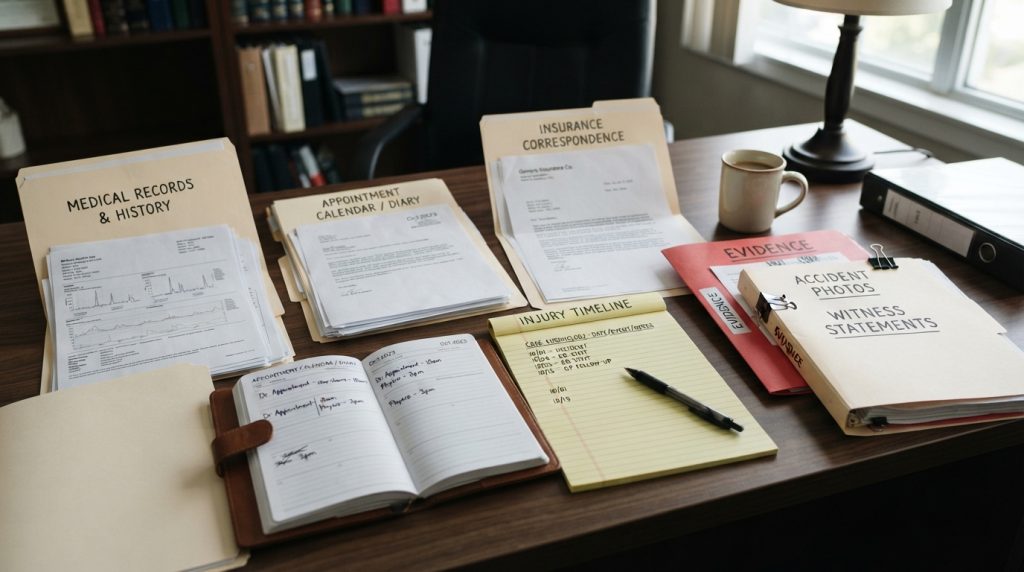
A recorded statement may affect questions such as:
- When did pain begin?
- Which body parts hurt first?
- Did symptoms worsen later?
- Was emergency care needed?
- Was there prior treatment for the same area?
- Did the person keep working?
- Were daily activities limited?
- Did the injury require imaging, therapy, injections, or surgery?
A broader guide to evidence for personal injury claims can help explain why medical records, accident evidence, and consistent timelines often need to support each other.
Statements in Slip, Trip, and Premises Liability Claims
Recorded statements in premises liability claims may focus heavily on notice, visibility, the hazard, and the injured person’s conduct. These claims often depend on whether the property owner knew or should have known about a dangerous condition.
Adjuster questions may involve:
- What caused the fall?
- Did the person see the hazard?
- How long was the hazard present?
- Were warning signs posted?
- Was the floor wet?
- Was the sidewalk broken?
- Was there snow or ice?
- Was lighting poor?
- Were there witnesses?
- Was an incident report completed?
- Were photos taken?
- What shoes were being worn?
A premises liability attorney resource may help explain why property control, inspection history, maintenance records, and notice evidence can affect unsafe-property claims.
Statements in Construction and Workplace Accident Claims
Construction and workplace accident statements may involve safety procedures, job duties, equipment, subcontractors, supervision, hazard control, and workers’ compensation issues. These claims can be complicated when workers’ compensation and third-party liability are both involved.
Statement questions may involve:
- What task was being performed?
- Who supervised the work?
- What equipment was used?
- Were safety devices provided?
- Was training given?
- Were there prior complaints?
- Was the hazard reported before?
- Who controlled the work area?
- Were other contractors present?
- Was an incident report completed?
- Were OSHA-related records created?
- Was workers’ compensation notified?
A construction accident attorney resource may help readers understand why jobsite records, safety documents, witness statements, and medical restrictions may all affect the claim.
Statements in Truck and Commercial Vehicle Claims
Truck and commercial vehicle accident statements may involve driver employment, vehicle ownership, maintenance, delivery schedules, electronic logs, dashcam footage, cargo, route planning, and company policies.
Adjuster questions may involve:
- Where did the crash happen?
- What lane was each vehicle in?
- Was the truck turning, merging, or backing?
- Were there blind spots?
- Was the truck driver working?
- Was the vehicle company-owned?
- Were police called?
- Were there witnesses?
- Were photos taken?
- Was dashcam footage available?
A truck accident attorney resource may help explain why commercial accident claims often require deeper evidence review than ordinary passenger vehicle claims.
Statements in Boating Accident Claims
Boating accident statements may focus on vessel operation, wake, weather, visibility, passengers, safety equipment, operator permission, accident reporting, and insurance coverage.
Questions may involve:
- Who operated the vessel?
- Who owned the vessel?
- Was the vessel rented?
- Was there unsafe wake?
- Were life jackets available?
- Was the operator impaired?
- Was there a collision?
- Were weather conditions changing?
- Was a boating accident report filed?
- Were photos, GPS data, or witness statements saved?
A recorded statement may be compared with boating accident reports, vessel records, marina footage, GPS data, and medical records.
What to Clarify Before Giving Any Statement
Before giving a recorded statement, the person should understand the purpose and scope of the call.
Important clarifying questions include:
- Who is calling?
- Which insurance company do they represent?
- Who is the insured party?
- What claim number is involved?
- Is the call being recorded?
- Is the statement required?
- What policy or benefit is the statement connected to?
- Will a transcript be created?
- Can a copy of the recording be requested?
- Will questions be limited to basic facts?
- Are medical authorizations being requested?
Clarity helps avoid confusion between property damage, no-fault benefits, bodily injury claims, liability disputes, and settlement negotiations.
What Information Is Usually Safer to Confirm?
Some information is basic and less disputed. Even then, the statement should be accurate.
Basic information may include:
- Full name
- Contact information
- Date of accident
- Accident location
- Vehicle or property involved
- Claim number
- Insurance policy information
- Whether medical care was received
- Names of known witnesses
- Whether police or an incident report was made
Even basic facts should not be guessed. If an address, time, or name is uncertain, it is better to say it needs to be checked than to estimate incorrectly.
What Information Should Be Handled Carefully?
Some topics require extra care because they may affect liability, damages, coverage, or settlement value.
Sensitive topics may include:
- Fault
- Speed
- Distance
- Visibility
- Pain severity
- Prior injuries
- Medical history
- Work capacity
- Future treatment
- Permanent limitations
- Social media activity
- Whether the person feels “better”
- Whether the person “could have avoided” the accident
- Whether a hazard was obvious
A person should avoid exaggeration, but should also avoid minimizing injuries or accepting assumptions embedded in the adjuster’s question.
Avoid Guessing or Filling in Unknown Details
Guessing can create inconsistencies. Accident scenes are stressful, and memories may be incomplete. It is acceptable to state when something is unknown or when records need to be reviewed.
Examples of uncertain details may include:
- Exact speed
- Exact distance
- Exact time
- Exact position before impact
- How long a hazard existed
- Whether another person saw the incident
- Whether a camera captured the event
- Whether symptoms will fully resolve
- Whether future treatment will be needed
Accurate statements should reflect what is actually known at the time.
Medical Authorization Requests
An insurance company may ask for medical authorizations. These forms can vary in scope. Some authorizations may request records limited to the accident-related injury. Others may be broader.
Medical authorization issues may involve:
- Which providers are included
- What dates are covered
- Whether prior records are requested
- Whether mental health records are included
- Whether unrelated conditions are included
- Whether pharmacy records are included
- Whether the authorization can be revoked
- Whether the request is tied to no-fault, liability, or settlement review
Broad medical authorizations should be reviewed carefully because they may give access to records beyond what is necessary for the specific claim.
Written Statements vs. Recorded Statements
A written statement may give the person more time to review facts, confirm dates, check records, and avoid unclear phrasing. A recorded statement is usually given in real time, which can increase the risk of incomplete answers.
Written statements may allow:
- More accurate dates
- Better organization
- Review of reports
- Review of medical records
- Fewer rushed answers
- Clear separation of facts and unknowns
- Correction of unclear wording before submission
A recorded statement may still be requested, but written communication can sometimes reduce confusion, especially when facts are complex.
How Statements Affect Settlement Offers
A recorded statement can affect how an insurer evaluates settlement. The insurer may use the statement to argue that the injury was minor, treatment was delayed, fault is disputed, symptoms changed, or damages are unsupported.
Statement issues may affect:
- Liability evaluation
- Comparative fault percentage
- Injury causation
- Treatment necessity
- Pain and suffering
- Lost income
- Future care
- Settlement amount
- Claim denial
- Litigation strategy
Publicly available personal injury case results may provide general context, although every claim depends on its own facts, evidence, injuries, insurance coverage, and applicable law.
If a Statement Has Already Been Given
A previously given statement does not automatically ruin a claim. The next step is usually to understand what was said and compare it with the full claim file.
Helpful follow-up steps may include:
- Requesting a copy of the recording or transcript when available
- Reviewing the statement against accident reports
- Comparing injury descriptions with medical records
- Correcting factual errors in writing when appropriate
- Preserving photos, videos, and witness details
- Avoiding additional inconsistent statements
- Organizing medical and wage documentation
- Tracking deadlines
An honest mistake, unclear answer, or incomplete early statement may need context from records and other evidence.
Insurance Claim Practices and Fair Review
Insurance companies are expected to follow applicable claim handling rules. New York Insurance Law § 2601 identifies unfair claim settlement practices, including failing to acknowledge communications, failing to adopt reasonable standards for prompt investigation, and not attempting prompt, fair, and equitable settlements when liability has become reasonably clear, when the conduct occurs without just cause and with enough frequency to indicate a general business practice.
This does not mean every low offer, delay, or statement request violates the law. It does mean claim handling should be reviewed in context, especially when requests are repetitive, unclear, overly broad, or inconsistent with the documented evidence.
Deadlines Still Matter While Talking to Insurance
Insurance conversations do not automatically stop legal deadlines. The New York Courts statute of limitations timetable lists three years for many negligence-based personal injury claims and two years for wrongful death claims, with different periods for some claim types.
Different or shorter deadlines may apply when the claim involves:
- Public entities
- Municipal vehicles
- Public sidewalks
- Public schools
- Public hospitals
- Public transportation
- Public docks
- Wrongful death
- No-fault benefits
- Insurance notice
- Product liability
- Medical bill submissions
Claims involving public corporations may require notice of claim within 90 days when notice is required under New York General Municipal Law § 50-e.
Practical Recorded Statement Review Chart
| Issue to Review | Why It Matters | What to Check |
| Who is calling | The insurer may represent a different party | Company, claim number, insured party |
| Recording status | Statements may become part of the file | Ask whether the call is recorded |
| Claim type | No-fault, property damage, and bodily injury differ | Confirm purpose of statement |
| Fault questions | Answers may affect comparative negligence | Review reports, photos, witnesses |
| Injury questions | Early symptoms may be incomplete | Compare with medical records |
| Prior injuries | Insurer may dispute causation | Provide accurate context |
| Medical authorization | Forms may be broad | Review scope and date range |
| Deadlines | Insurance talks do not pause deadlines | Track no-fault, notice, and lawsuit dates |
Common Mistakes During Recorded Statements
Some mistakes can create avoidable claim problems.
Common mistakes include:
- Giving a statement without knowing who the adjuster represents
- Agreeing to recording without understanding the purpose
- Guessing about speed, distance, or timing
- Minimizing injuries too early
- Saying all symptoms are resolved before treatment is complete
- Accepting blame casually
- Discussing unrelated medical history broadly
- Signing broad medical authorizations without review
- Giving inconsistent statements to multiple insurers
- Ignoring no-fault, notice, or lawsuit deadlines
- Failing to request a copy of the statement when available
- Not correcting clear factual errors
The strongest approach is usually accurate, narrow, organized, and based on known facts rather than assumptions.
How to Prepare Before an Insurance Call
Preparation can reduce confusion and help keep the discussion focused.
Useful preparation steps include:
- Reviewing the accident date, time, and location
- Locating the police or incident report
- Reviewing photos and videos
- Writing down witness names
- Listing medical providers
- Confirming treatment dates
- Saving insurance letters
- Reviewing wage loss records
- Separating known facts from uncertain details
- Preparing questions for the adjuster
- Avoiding casual speculation
Preparation does not mean exaggerating or scripting false answers. It means avoiding rushed, incomplete, or inaccurate statements.
When Legal Guidance May Be Useful
Legal guidance may be useful when an adjuster requests a recorded statement after a serious injury, disputed fault, commercial vehicle crash, construction injury, premises liability claim, boating accident, dog bite, nursing home injury, rideshare crash, public entity incident, or low settlement offer.
A statement review may require accident reports, medical records, photos, video, witness accounts, wage proof, insurance letters, policy information, medical authorizations, comparative fault analysis, and deadline tracking.
People researching local support may review a Farmingdale legal office location when looking for Long Island personal injury claim information.
FAQs About Recorded Statements After New York Accidents
Do you have to give a recorded statement after a New York accident?
It depends on who is asking, what policy applies, what claim is being made, and whether the request is tied to benefits, coverage, or liability review. Before giving a recorded statement, the person should understand the insurer’s role, the purpose, and the scope.
Can a recorded statement hurt a personal injury claim?
Yes, it can create problems if the person guesses, minimizes injuries, accepts blame, gives incomplete medical details, or says something inconsistent with later records. A statement should be accurate and limited to known facts.
What should someone ask before giving a recorded statement?
Important questions include who the adjuster represents, whether the call is recorded, what claim the statement relates to, whether the statement is required, whether a transcript will be created, and whether a copy can be requested.
Why does an insurance adjuster ask about prior injuries?
Prior injury questions may be used to evaluate whether the accident caused the claimed harm or worsened an existing condition. Prior conditions should be answered accurately, but broad medical discussions should be handled carefully and in context.
Do settlement negotiations stop the New York personal injury deadline?
No. Settlement talks usually do not stop legal deadlines by themselves. Many negligence-based New York injury claims have a three-year limitations period, but wrongful death, public entity, no-fault, and insurance notice issues may involve shorter or different deadlines.
Final Thoughts
A recorded statement after a New York accident should be treated as part of the claim record, not casual conversation. The safest approach is to identify who is calling, confirm the purpose of the statement, avoid guessing, separate known facts from uncertain details, keep injury descriptions accurate, review medical authorization requests carefully, and track insurance and legal deadlines. A statement may be one piece of the claim, but it can influence how fault, injuries, damages, and settlement value are evaluated.